Production Line Staffing: Temporary Workers for Assembly and Packing
Production line staffing supplies temporary workers to a factory or plant: assembly, packaging, inspection, labelling, machine feeding and material handling at the line. Manufacturers use it when orders surge, when absences open gaps on a shift or when a new line starts before permanent hires are in place.
Describe the job and add your city. Free to request, no obligation.
Line work is repetitive, and results depend on how quickly a new worker settles in. Clear job instructions, a buddy at the station and realistic expectations for the first day matter more than speed. If the task needs specific skills, such as reading gauges or operating a machine, say so in the order.
Safety and hygiene rules come first. Food and pharmaceutical plants have clothing and handwashing rules, while metal and plastics plants may require specific PPE, hearing protection or lockout awareness. These should be written into the order and covered in orientation.
What the work includes
- Assembly, packing and boxing at the line
- Visual inspection and quality checks with your criteria
- Labelling, sorting and pallet building
- Material feeding and replenishment at stations
- Machine tending where training is provided on site
- Cleaning and changeover support
- Coverage for several shifts, including nights
- A written order listing roles, shift times, PPE and a supervisor
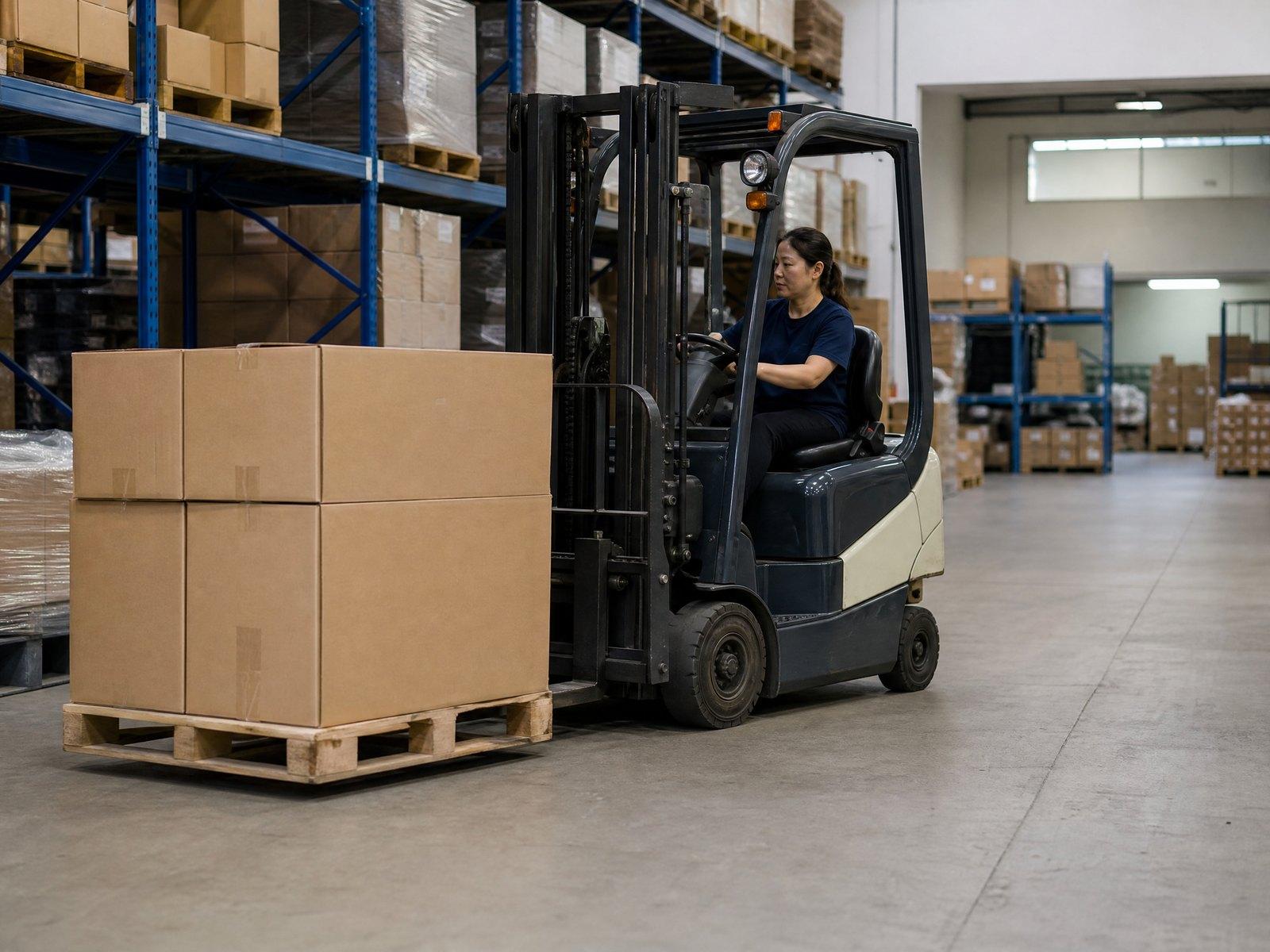
Signs a plant needs temporary line workers
Orders are above what the current shifts can produce
Several operators are absent and stations are empty
A seasonal product run is about to start
A new line or shift is launching before hiring is finished
Overtime is climbing and quality is slipping
How the work goes, step by step
Describe the line
Send the product, tasks per station, shift hours and headcount.
Confirm site rules
Review PPE, hygiene rules, orientation requirements and who supervises.
Written proposal
You receive roles, rates, minimums and billing terms.
Orientation and start
Workers receive a site orientation and a station-level demonstration.
Adjust
Add, reduce or replace workers as production changes.
What changes the price
- Skill level
- Basic packing is cheaper than tasks requiring experience with machines or measuring tools.
- Shift pattern
- Nights and weekends usually cost more.
- Training time
- Roles with a learning curve cost more in the first days, even if the rate is the same.
- Headcount and duration
- Larger or longer assignments may be quoted differently from a few shifts.
- Environment
- Cold rooms, heat, noise or hygiene gear can affect the order.
- Notice
- Planned runs are easier to staff than urgent gaps.
What a good quote spells out
- A task description for each role, not just a headcount
- Who trains workers on stations, and how long that takes
- Hourly rates, shift premiums and minimums
- PPE and clothing requirements and who supplies them
- How absences and replacements are handled
Production Line Workers: questions people ask
Do temporary line workers need experience?
Basic packing and assembly can often be learned in a shift. Roles with machines or inspection criteria may need previous experience.
Who provides PPE?
That depends on your site and the agreement. State it in the order, so workers arrive properly equipped.
Can more workers be requested on short notice?
It depends on the role and area. Planned peaks are easier to fill, so share forecasts when you can.
Can temporary workers become permanent staff?
Many businesses hire temporary workers they like. Ask about conversion terms before you start.
Other Mainforce services
Need a Crew? Tell Us About the Work.
Tell us the roles, the headcount, the site and the start date. We review every request, and a staffing specialist who serves your area follows up in writing with a proposal and a free quote.
Request a free quote →